
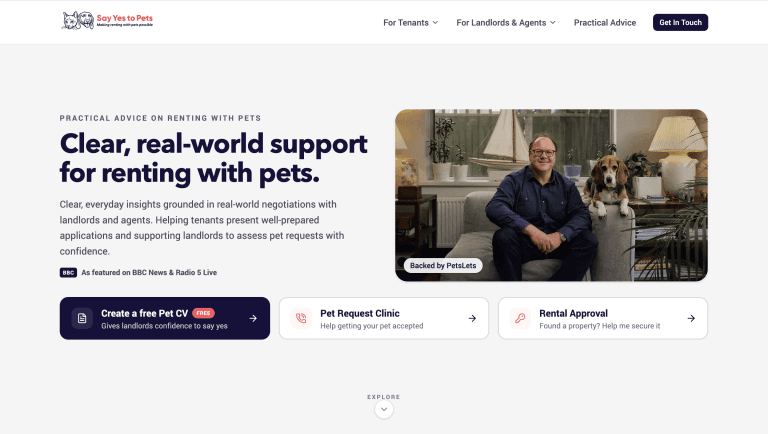
Say Yes to Pets
An educational WordPress platform built to help UK renters with pets navigate the housing market through clear guidance, practical resources and advocacy-led content.
Need something similar?
This project is closest to WordPress Support. Tell me what is happening with your site and I will recommend the next step.
Project overview
Say Yes to Pets was launched by the team behind Pets Lets as a separate platform focused on advice, education and advocacy around renting with pets.
The project started as a publishing platform, but grew into a broader product that combines editorial content, lead capture, newsletter workflows and a custom Pet CV tool designed to help renters present their pets more professionally to landlords and agents.
I built the platform as a modern headless setup using Next.js on the front end and WordPress as the editorial source, with a structure designed to scale cleanly over time. The work overlaps most closely with custom WordPress development, technical SEO and ongoing WordPress support.
The challenge
The platform needed to feel distinct from Pets Lets while still supporting the wider ecosystem. It also had to support long-term publishing, structured content discovery, lead capture and future product expansion without becoming difficult to manage.
A dedicated experience for users looking for advice, education and practical support earlier in the renting journey.
Built to support growing categories, featured content and article relationships without reworking the front end.
The platform needed to feel credible, calm and helpful across content, forms and tools.
The site needed to go beyond publishing and support interactive tools such as the Pet CV builder.
What was delivered
I designed and developed the front-end platform, content architecture and supporting product features for phase one. That included the headless WordPress integration, the editorial structure, the responsive front end, conversion flows and the custom Pet CV experience.
WordPress powers editorial publishing while the front end is delivered as a fast, structured Next.js application.
Practical advice content is organised into category hubs, individual category pages and article pages with related content.
A guided multi-step builder helps renters create, publish, share and print landlord-friendly Pet CVs.
Contact enquiries, newsletter signups and admin review tools were built into the platform from phase one.
Core functionality included
Responsive marketing pages introducing the brand, trust signals and key user journeys.
WordPress content is pulled in via the REST API, normalised and surfaced in a clean front-end structure.
A central content hub with filtering by category and keyword search.
Category pages and article pages are generated dynamically from WordPress content.
Featured posts and related articles help users continue through the content journey.
Newsletter forms support confirmation emails, post-source tracking and subscriber status handling.
Enquiries are validated, stored in the database and forwarded by email.
A protected admin page provides visibility into contact enquiries, newsletter signups and Pet CV submissions.
A seven-step guided builder supports owner details, trust signals, multiple pets, training notes, references and optional pet parent bios.
Users can preview both a free and premium layout, with an upgrade path already built into the flow.
Published Pet CVs generate public URLs plus a print-friendly PDF-style view.
Pet CV drafts are saved locally in the browser so progress is not lost during the build process.
Canonical URLs, metadata, Open Graph tags, sitemap and robots handling are built in across the platform.
A revalidation endpoint allows newly published WordPress content to appear quickly without waiting on cache expiry.
Cookie notice handling and analytics integration are included at layout level.
The app is structured to keep rendering cleanly even if WordPress content is temporarily unavailable.
Key architecture decisions
One of the main architectural decisions was separating editorial management from front-end presentation. WordPress handles content operations, category structure and publishing, while the Next.js front end controls the user experience, layout, filtering and SEO behaviour.
I also designed the platform so that publishing features and product features could live together cleanly. That meant the advice hub, newsletter capture, contact workflows and Pet CV tool could all sit within one coherent system instead of feeling bolted together.
Better control over UX, performance and front-end structure.
WordPress post and category data is transformed into a predictable front-end model.
Contact submissions, newsletter signups and Pet CV records are stored centrally for admin review.
Interactive tools and future monetisation flows could be added without rebuilding the core platform.
Results and outcomes
Phase one delivered more than a content website. It established a scalable publishing platform, a structured lead-generation system and a custom tool that adds practical value for renters.
New content can be published and surfaced automatically through the headless WordPress structure.
Advice content is easier to browse through category hubs, filtering and related article journeys.
The platform captures contact enquiries, newsletter subscribers and Pet CV users within the same ecosystem.
The Pet CV builder created a clear path from editorial content into a practical, user-facing tool.
Technical SEO essentials were included from the start rather than deferred.
The architecture supports ongoing publishing, feature iteration and deeper integration with Pets Lets.
Technology used
The platform was built with Next.js, React and TypeScript on the front end, using WordPress as a headless CMS and Neon Postgres for structured lead and Pet CV storage. Supporting integrations include email delivery, analytics, cookie consent handling and on-demand revalidation for content updates.
The delivery is most relevant to custom WordPress development, SEO optimisation and ongoing support for content-led platforms with custom functionality.
Next steps
This case study covers phase one of an ongoing platform. The foundation is already in place for broader content development, richer feature expansion, stronger product flows around the Pet CV tool and deeper integration with the wider Pets Lets ecosystem.
If you are building a content-led platform with custom functionality, the most relevant starting points are usually custom WordPress development, SEO optimisation and WordPress care plans.
Looking for similar outcomes? Start with WordPress Support and browse more project examples.
Need something similar?
This project is closest to WordPress Support. Tell me what is happening with your site and I will recommend the next step.
Newsletter
Get the free WordPress SEO checklist
Plus one practical fix a week, with lessons from real builds like this one.
Keep exploring
Recent work
All case studies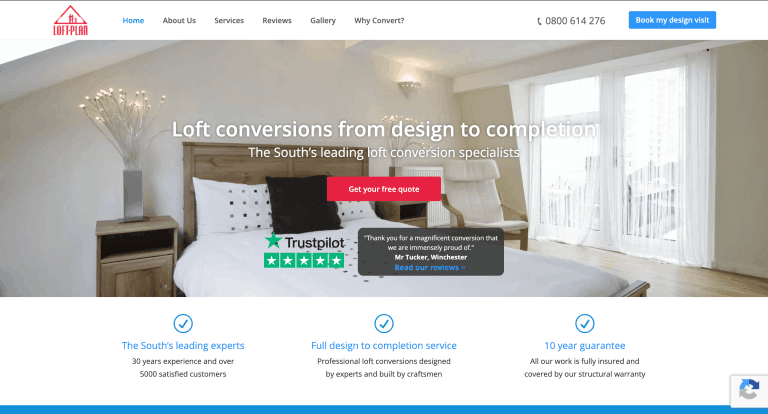
LoftPlan
A long-term WordPress care and support project for LoftPlan, covering managed hosting, updates, SEO improvements and technical troubleshooting to keep the site reliable and commercially effective.
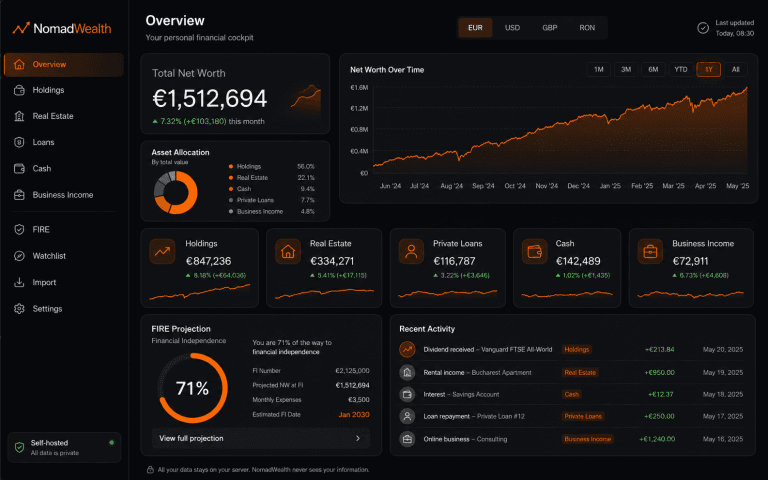
NomadWealth: Self-Hosted Net-Worth App
Turning a personal finance dashboard into a self-hostable product: holdings, real estate, loans and cash in one private cockpit, deployed to the buyer’s own Vercel so the vendor never sees their data.
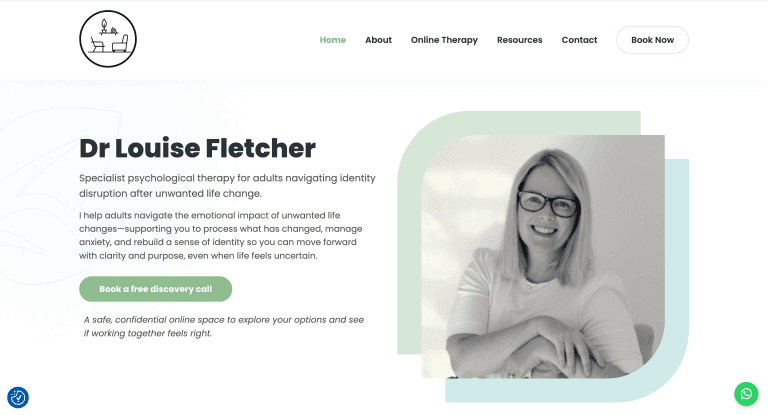
Dr Louise Fletcher
A WordPress improvement project for Dr Louise Fletcher, combining content refinement, technical SEO, analytics setup and ongoing care plan support.
Services
All servicesReading
All articlesHow to Turn Your WordPress Website Into a Progressive Web App
How a Progressive Web App can turn a WordPress website into a faster, app-like experience with home screen access, alert
Custom WordPress Development vs Page Builders: What Actually Scales in 2026
Page builders are useful for speed, but custom WordPress development usually scales better when performance, SEO, consis
How I Built a Real-Time Investment Portfolio Tracker in Google Sheets
A custom Google Sheets portfolio tracker that combines live stock and crypto pricing, automated trade handling and perfo
Need help with something similar?
Tell me what is happening with your website. I will recommend the next practical step and explain how I would scope the work.
Best fit for established UK businesses with a site that needs to perform.
- 1
Tell me what is happening
Share the website, the problem and what a good result looks like.
- 2
Agree the scope
A proposal with deliverables, price, assumptions and timeline before any work starts.
- 3
Deliver, test and hand over
Work checked against the agreed criteria, with notes on what changed.